
Blog
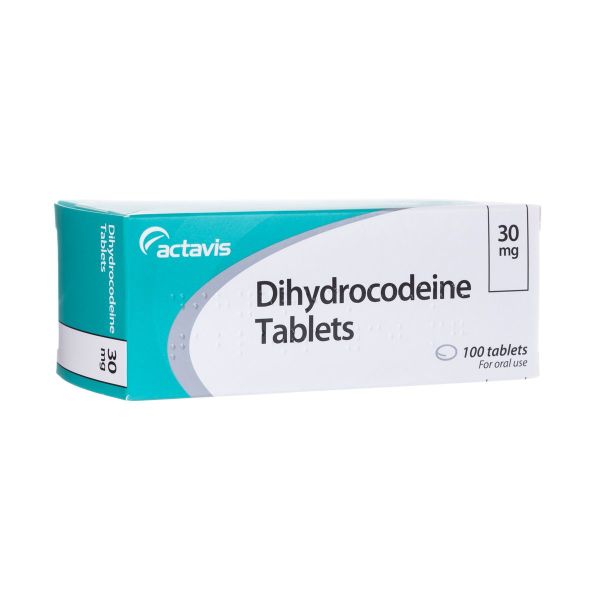
Dihydrocodeine Tablets 30mg Available For Sale
Feb
Dihydrocodeine Tablets 30 mg: A Complete Guide to Uses, Benefits, Risks and Safe Use
Buy Dihydrocodeine Tablets, is a semi-synthetic opioid analgesic — meaning it’s a pain-relieving medicine developed from natural opiates but modified to improve clinical utility. The 30 mg tablet strength is one of the most commonly prescribed forms for moderate to severe pain, and it’s used all over the world under strict medical supervision.
In this blog, we’ll explore what dihydrocodeine 30 mg is, how it works, when it’s used, how to take it safely, its side effects, and the crucial issue of dependency and addiction.
1. What Is Dihydrocodeine?
Buy Dihydrocodeine Tablets, is classified as an opioid analgesic — a type of drug that binds to opioid receptors in the brain and spinal cord to reduce the sensation of pain. It’s structurally similar to codeine but slightly stronger and with its own pharmacological profile.
Inside the body, dihydrocodeine is metabolized in the liver. Some of it is converted into active metabolites that contribute to its pain-relief effects, though the exact clinical impact varies between individuals.
The 30 mg tablet is a conventional, immediate-release formulation — meaning the drug works relatively quickly after ingestion, usually within about 30–90 minutes, and its effects last several hours.
2. How It Works: A Simplified Mechanism
At the core, dihydrocodeine works by:
-
Binding to μ-opioid receptors in the central nervous system (CNS), which blocks pain signals from reaching the brain.
-
Changing pain perception and emotional response to pain.
-
In some formulations, it also acts on the brain’s cough centers, explaining its antitussive (cough-suppressing) effects.
This ability to both relieve pain and alter pain perception makes opioids effective for many painful conditions — but it also underlies many of their risks.
3. Common Uses of Dihydrocodeine 30 mg
Pain Management
The primary use of dihydrocodeine 30 mg tablets is to manage moderate to severe pain — especially when pain is not controlled by non-opioid medications like paracetamol or ibuprofen. Examples include:
-
pain after surgery
-
pain from injury
-
acute flare-ups of chronic conditions
Typical dosing for adults over 12 years is one 30 mg tablet every 4–6 hours as needed, with a usual daily maximum of 180 mg (6 tablets) unless a doctor directs otherwise.
Other Uses
Although less common and dependent on local medical standards, dihydrocodeine may be considered off-label for:
-
certain types of persistent cough (especially when other remedies fail)
-
adjunctive pain relief in palliative care settings
However, because opioids carry significant risks, such uses are carefully evaluated by clinicians.
4. How to Take Dihydrocodeine Safely
Taking dihydrocodeine safely is essential. Here are evidence-based recommendations:
Follow Your Prescriber’s Instructions
-
Take exactly as prescribed. Don’t increase the dose on your own.
-
Take tablets whole, with water; don’t crush or chew.
-
It’s often recommended to take the medicine with or after food to reduce nausea.
Dosing Tips
-
If you miss a dose, take it as soon as you remember — but never double doses to make up for missed ones.
-
Do not exceed the total daily dose recommended by your doctor, even if pain persists.
Avoid Alcohol and Sedatives
Alcohol significantly increases the risk of dangerous side effects like sedation and respiratory depression when taken with opioids. Similarly, sedative drugs (e.g., benzodiazepines) can interact dangerously.
Be Careful With Activities
Until you know how dihydrocodeine affects you, avoid:
-
driving or operating machinery
-
activities requiring alertness
This medicine can cause drowsiness and dizziness.
5. Side Effects: What You Need to Know
Like all medicines, dihydrocodeine can cause side effects. These range from common and mild to serious:
Common Side Effects
-
Drowsiness and sedation
-
Dizziness
-
Nausea and vomiting
-
Constipation
-
Dry mouth and sweating
These are typical with opioid painkillers and may lessen over time as your body adjusts.
Less Common but Serious Effects
Some effects require immediate medical attention:
-
Respiratory depression (slow, shallow breathing)
-
Severe allergic reactions
-
Confusion or hallucinations
-
Significant mood changes
These are more likely at higher doses or in people with underlying health issues.
6. Risk Factors and Safety Warnings
Certain people require extra caution or avoid this drug altogether:
Respiratory Conditions
Individuals with asthma, COPD, or reduced breathing capacity should be cautious or avoid opioids without careful monitoring.
Liver or Kidney Impairment
Dihydrocodeine is metabolized by the liver and cleared partly by the kidneys. Poor function can increase side effects.
Concomitant Medications
Opioids interact with many medicines — especially sedatives and some antidepressants — increasing sedation and respiratory depression risks.
Pregnancy and Breastfeeding
There’s limited evidence on safety in human pregnancy. Regular use during pregnancy can cause neonatal opioid withdrawal syndrome in newborns. Breastfeeding mothers are generally advised to avoid opioid use.
7. Dependency, Tolerance and Addiction: The Most Important Concern
One of the biggest challenges with opioids like dihydrocodeine is their potential for dependence and addiction.
Tolerance and Dependence
With repeated use, the body can become accustomed to the drug — meaning:
-
You may need higher doses to get the same relief (tolerance).
-
Stopping suddenly may cause withdrawal symptoms like irritability, restlessness, nausea, sweating, and anxiety.
Physical dependence is a natural physiological response and does not necessarily indicate addiction.
Addiction
Addiction is a behavioral and psychological disorder where a person compulsively seeks and uses a drug despite harm. Opioids have a high potential for addiction, especially if:
-
used long-term
-
taken in higher doses than prescribed
-
used recreationally or without medical supervision
Because of this, dihydrocodeine should only be used for short durations (unless absolutely necessary) and always under a clinician’s careful monitoring.
8. What to Do If You’re Concerned About Dependence
If you or someone you care about is struggling with dependency, it’s important to:
-
Talk to a healthcare provider immediately.
-
Never stop opioids suddenly — tapering under supervision prevents withdrawal.
-
Seek support if you notice signs of misuse.
Effective addiction support services exist and can help with both physical withdrawal and the psychological aspects of dependence.
9. Is Dihydrocodeine 30 mg Right for You?
Dihydrocodeine is a powerful and valuable tool when used correctly — particularly for pain that has not responded to milder treatments. But with that power comes responsibility: safe use, thorough medical oversight, and awareness of risks.
Before starting dihydrocodeine:
✔ Discuss your full medical history with your doctor
✔ Understand how to take it properly
✔ Know the risks and what to watch for
