
Blog
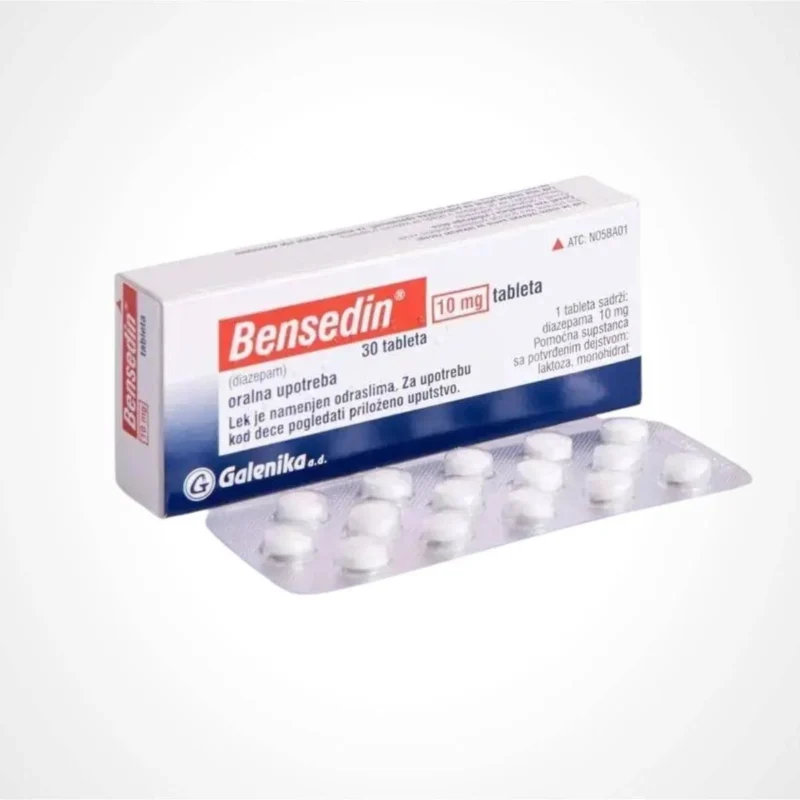
Bensedin Tablets Available For Sale Online
Feb
Complete Guide to Bensedin Tablets — Uses, Benefits, Risks & Safe Use
Bensedin Tablets For Sale, are a medically prescribed drug widely known for their calming, anti-anxiety and muscle-relaxing effects. While the name might sound unfamiliar to many, its active ingredient — Diazepam — belongs to the well-recognized class of benzodiazepines used worldwide for decades.
In this blog, we’ll break down what Bensedin is, how it works, its medical uses, dosing guidelines, possible side effects, important precautions — and when you should consult a healthcare professional.
1. What Is Bensedin? (Understanding the Basics)
Bensedin Tablets For Sale, is a brand name for the drug Diazepam, one of the most commonly used benzodiazepines in clinical practice. Diazepam was first introduced in the late 1950s and quickly became one of the most prescribed medications for anxiety and related conditions.
What type of drug is it?
Benzodiazepines like Diazepam act on the brain and central nervous system to produce a calming effect. They are prescribed for anxiety, muscle spasms, seizures, alcohol withdrawal symptoms, sedation before procedures, and sometimes sleep disturbances.
How does Bensedin work?
Our brain has a natural messenger called GABA (gamma-aminobutyric acid) which slows down nerve activity and helps calm the mind. Diazepam increases the effect of GABA, which leads to reduced nerve activity — resulting in relaxation, decreased anxiety, less muscle tension and an overall sedative effect.
2. Medical Uses of Bensedin Tablets
Bensedin’s effectiveness lies in its versatility — it is used in both physical and psychological conditions:
🧠 Anxiety Disorders
Bensedin is often prescribed for acute anxiety, panic attacks or generalized anxiety disorder. It helps reduce the intensity of anxiety symptoms, especially in short-term situations.
💪 Muscle Spasms & Stiffness
Because Diazepam has muscle-relaxant properties, it can help ease involuntary muscle contractions and stiffness caused by injury, neurological conditions or stress.
⚡ Seizure Control
Bensedin can be used adjunctively in seizure disorders to reduce the frequency or severity of episodes, although it’s not always the first choice for long-term seizure control.
🥃 Alcohol Withdrawal
Doctors may use Bensedin to relieve symptoms associated with acute alcohol withdrawal — such as agitation, tremors, sweating and insomnia.
😴 Sedation Before Procedures
Its calming and tranquilizing effects are sometimes used to help patients relax before undergoing medical or diagnostic procedures.
3. Dosage & How to Take It
Important: Bensedin should only be taken on the prescription of a qualified healthcare professional. Dosages vary depending on condition, age, health status and other medications.
Usual Adult Dosage
-
Anxiety: 2–10 mg, 2–4 times a day.
-
Alcohol withdrawal: 10 mg, 3–4 times in the first 24 hours and then lower dose as needed.
-
Muscle spasm relief: 2–10 mg, 3–4 times daily.
-
Seizure adjunct therapy: 2–10 mg, 2–4 times a day.
Important Notes
-
Always follow the exact dose and frequency your doctor tells you.
-
Do not double-dose if you miss a tablet; take the next dose at the scheduled time.
-
Swallow tablets whole with water — do not chew or crush them.
4. Benefits of Bensedin Tablets
Bensedin provides multiple therapeutic benefits when used appropriately:
✔ Quick Reduction in Anxiety
Patients often report a calming effect within a short time, aiding in the management of stress and panic.
✔ Muscle Relaxation
It brings relief for muscle tension and spasm — making it useful after injury or in neuromuscular conditions.
✔ Helps with Sleep Difficulties
In certain cases, if anxiety is the cause of insomnia, Bensedin’s sedative effect can help improve rest. However, it is not recommended as a primary sleep medication.
✔ Useful in Withdrawal Management
When supervised by a doctor, it can make alcohol withdrawal safer and more comfortable.
5. Side Effects You Should Know
Like all medications, Bensedin can cause side effects. Most are mild if the medication is taken carefully and under supervision, but some may be serious:
Common Side Effects
-
Drowsiness and daytime sedation
-
Dizziness or light-headed feeling
-
Muscle weakness
-
Memory problems or trouble concentrating
-
Fatigue and tiredness
Less Common but Serious Reactions
In rare cases, people can experience:
-
Confusion or disorientation
-
Hallucinations or mood changes
-
Slowed breathing
-
Severe sedation
-
Problems with movement or coordination
If you experience breathing difficulties, severe confusion, hallucinations or loss of consciousness, seek urgent medical attention.
6. Risks, Dependence & Withdrawal Concerns
One of the biggest concerns with benzodiazepines like Bensedin is dependence. Over time, the body can adapt to the drug — and stopping it abruptly can lead to withdrawal symptoms such as:
-
Anxiety rebound
-
Insomnia
-
Sweating
-
Tremors
-
Irritability
Because of this, doctors usually recommend the shortest effective duration — often no more than a few weeks — and may taper the dose gradually if used longer.
7. Precautions & Interactions
🚫 Avoid Alcohol
Mixing Bensedin with alcohol or other CNS (central nervous system) depressants can intensify sedation and breathing problems — which may be dangerous.
🚗 Impairs Alertness
It can reduce concentration, coordination and reaction time. Do not drive or operate heavy machinery until you know how it affects you.
⚠ Special Populations
-
Elderly: More sensitive to sedation and risk of falls.
-
Pregnancy & Breastfeeding: Use only if clearly needed — Bensedin can pass into breast milk.
Drug Interactions
Diazepam can interact with other CNS depressants, opioids, sedatives, some antidepressants and antihistamines — increasing side effects. Always check with your doctor.
8. Final Thoughts
Bensedin Tablets For Sale, containing the active ingredient Diazepam, have a long-standing role in managing anxiety, muscle tension and related conditions. When used responsibly, under medical guidance, and for the appropriate duration, they can provide meaningful relief and help improve quality of life.
However, due to the risks of dependence, sedation and possible side effects, they are not suitable for unsupervised use or long-term self-medication. This is why a tailored treatment plan from a qualified healthcare provider is essential.
📌 Key Takeaways
-
Bensedin is a benzodiazepine medication (Diazepam) used for anxiety, muscle spasm, seizures and alcohol withdrawal.
-
It works by enhancing the calming effects of GABA in the brain.
-
Common side effects include drowsiness, dizziness and muscle weakness.
-
There are risks of dependence; it should be used exactly as prescribed.
-
Avoid alcohol while taking Bensedin; consult your doctor for interactions and dosage changes.
