

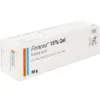
Clindamycin Plus Benzoyl Peroxide Gel — A Powerful Acne Fighter
Buy Clindamycin Plus Benzoyl Peroxide, Acne is one of the most common skin concerns affecting teens and adults alike. For many, simple cleansers and over-the-counter creams just don’t cut it. That’s where Clindamycin plus Benzoyl Peroxide Gel comes in — a dermatologist-approved topical treatment designed to tackle acne at multiple levels.
What Is It?
Clindamycin plus Benzoyl Peroxide Gel is a combination medication used to treat mild to moderate acne vulgaris. It combines two scientifically-proven ingredients: clindamycin, an antibiotic that inhibits acne-causing bacteria, and benzoyl peroxide, which has antibacterial and exfoliating properties. Together, they work synergistically to reduce inflammation, kill bacteria, and help unclog pores — addressing both the cause and appearance of acne.
How Does It Work?
-
Clindamycin: Stops acne-causing bacteria from multiplying on the skin.
-
Benzoyl Peroxide: Reduces oil, clears dead skin cells from pores, and kills bacteria that thrive in blocked follicles.
This dual action makes the gel more effective than either ingredient alone in improving acne lesions and overall skin clarity. Clinical studies confirm that this combination significantly reduces both inflammatory and non-inflammatory acne with good tolerability.
Benefits
-
Targets bacteria and clogged pores simultaneously
-
Helps reduce redness and irritation associated with acne
-
Can prevent the formation of new breakouts
-
Often more effective than single-ingredient products alone
How to Use
Apply a thin layer once daily (or as advised by your doctor) to clean, dry skin. It may take 2–5 weeks before visible improvement appears, so consistency is key. Avoid contact with eyes, lips, and broken skin. Always follow your dermatologist’s instructions for best results.
Side Effects & Precautions
Some users may experience mild dryness, redness, skin peeling, or a burning sensation, especially in the early weeks of use. The gel can make your skin more sensitive to sunlight, so wearing sunscreen is essential. Severe irritation or allergies are rare but should prompt medical advice.
| Quantity | 30 g, 60 g |
|---|
Be the first to review “Clindamycin Plus Benzoyl Peroxide Gel 10mg/50mg generic Duac 30g”
Related products
Acne
Acne
Reviews
There are no reviews yet.